The public road and its parts
Know where the traffic code applies and what the parts of the road are called.
Section 1Where the traffic code applies
Three kinds of places
Official source · art. 1Dit reglement geldt voor het verkeer op de openbare weg en het gebruik ervan, door voetgangers, voertuigen, trek-, last- of rijdieren en vee.Open the full article on Justel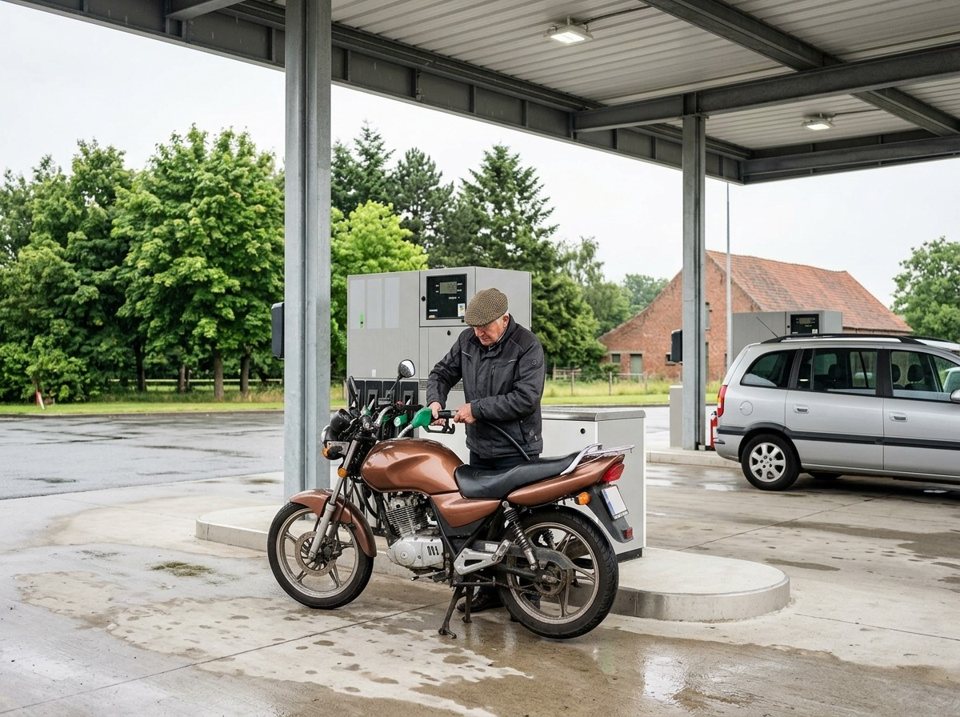
[L01_02_0.jpg] A petrol station is a public area that you may only enter if you have a reason, such as refuelling this motorcycle. You are not allowed to drive through it simply as a shortcut.
Where the rules and fines apply
Official source · art. 1Dit reglement geldt voor het verkeer op de openbare weg en het gebruik ervan, door voetgangers, voertuigen, trek-, last- of rijdieren en vee.Open the full article on JustelPrivate road
Official source · art. 1Dit reglement geldt voor het verkeer op de openbare weg en het gebruik ervan, door voetgangers, voertuigen, trek-, last- of rijdieren en vee.Open the full article on Justel Private road plate
Section 2Parts of the public road
More than the tarmac
Official source · art. 2.1 · last amended 2024-02-01" Rijbaan ", het deel van de openbare weg dat voor het voertuigenverkeer in het algemeen is ingericht.Open the full article on Justel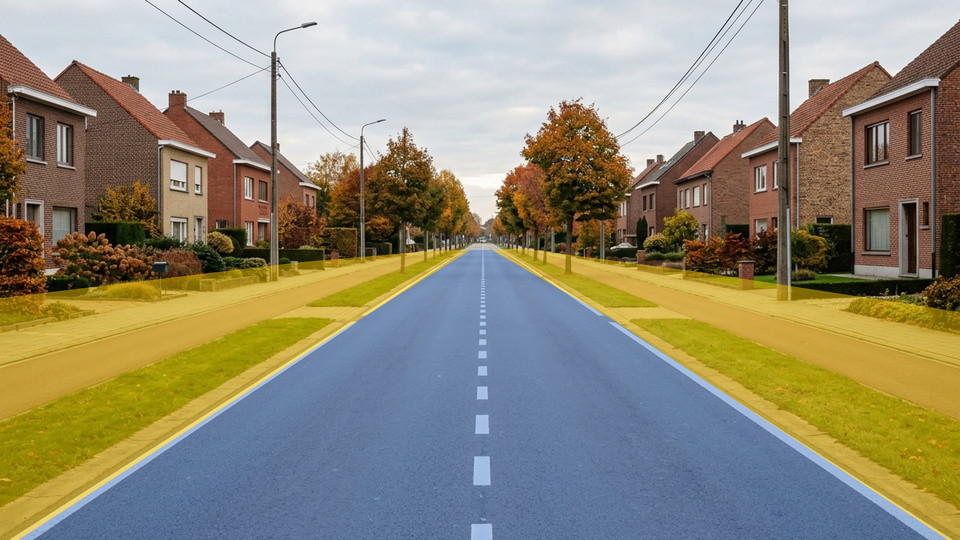
[L01_07_0.jpg] The blue part is the carriageway. The yellow parts on both sides (cycle paths, grass verges and footpaths) are also part of the public road.
The carriageway
Official source · art. 2.1 · last amended 2024-02-01" Rijbaan ", het deel van de openbare weg dat voor het voertuigenverkeer in het algemeen is ingericht.Open the full article on Justel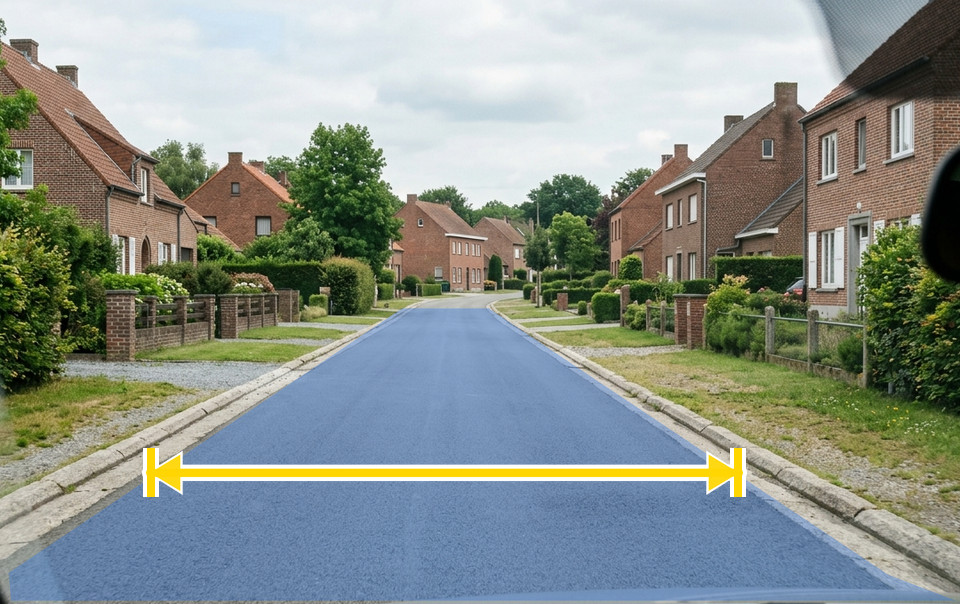
[L01_08_0.jpg] The blue area is the carriageway, the hard surface of the public road made for vehicles. The yellow arrow measures it from kerb to kerb.
White line along the edge
Official source · art. 75.1.1° · last amended 2022-10-01Een witte doorlopende streep mag op de werkelijke rand van de rijbaan, op een trottoirband of op de boordsteen van een verhoogde berm aangebracht worden om deze beter zichtbaar te maken.Open the full article on Justel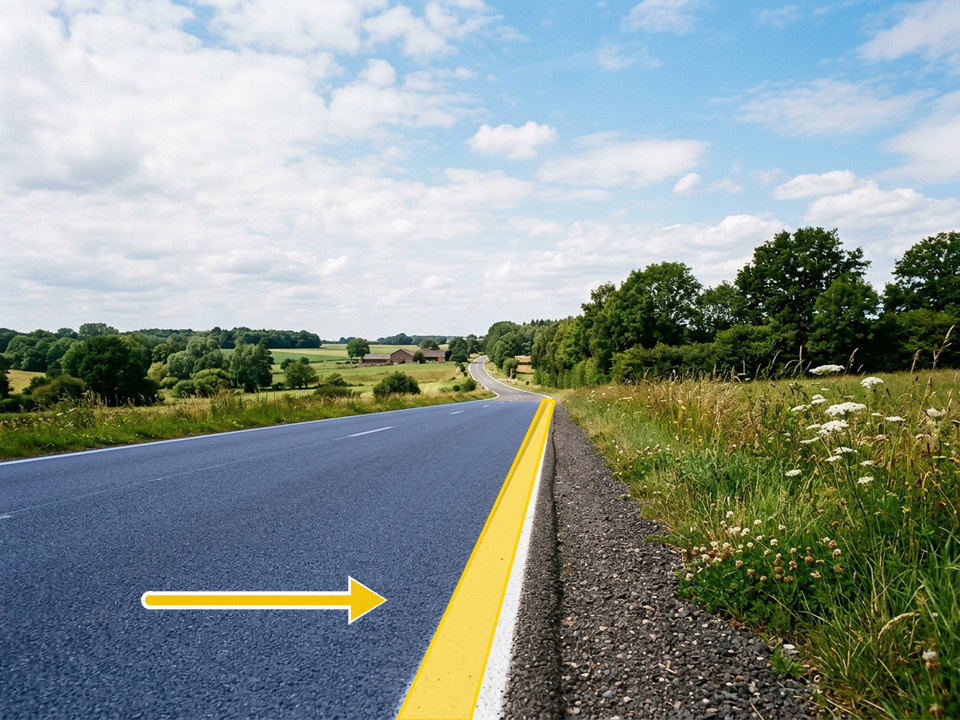
[L01_09_0.jpg] The continuous white line along the road edge (highlighted in yellow) marks where the carriageway ends. It shows the edge of the carriageway and has no other legal meaning.
Section 3Central lane and side lanes
Central lane
Official source · art. 15.3 · last amended 2022-10-01Open the full article on JustelOfficial source · art. 9.1.2 · last amended 2022-10-01de fietsers van minder dan 10 jaar mogen in alle omstandigheden de trottoirs en de verhoogde bermen volgen.Open the full article on Justel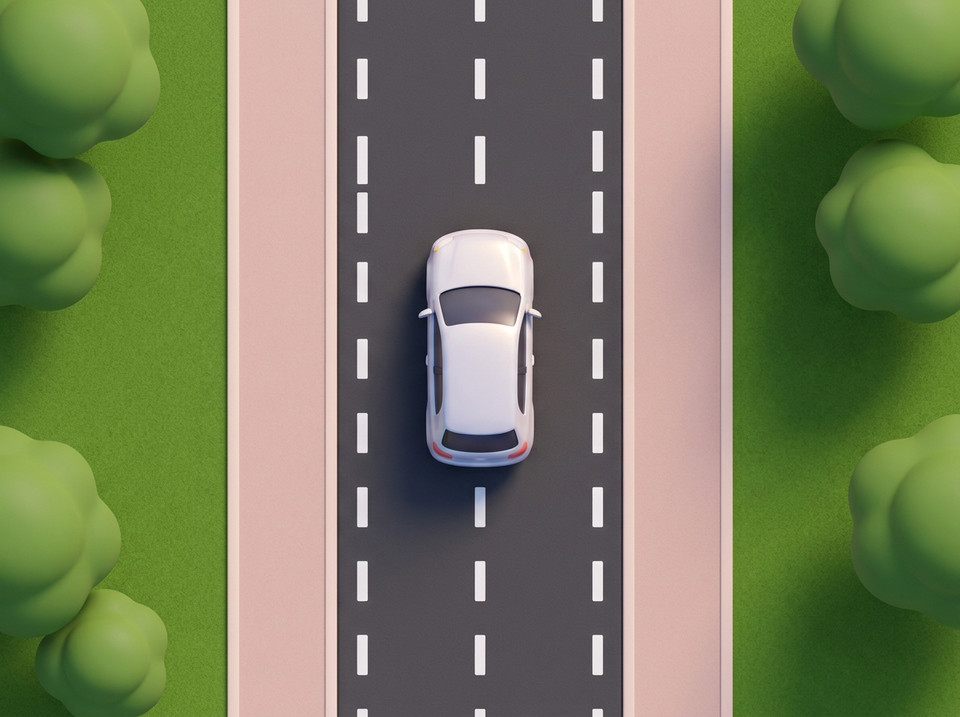
[L01_12_0.jpg] On a central carriageway, drive in the middle between the paired dashed lines. You may only move onto the side strips temporarily when passing oncoming traffic.
Side lanes are not for cars
Official source · art. 9.1.1 · last amended 2022-10-01Wanneer de openbare weg een rijbaan omvat moeten de bestuurders deze rijbaan volgen.Open the full article on JustelOfficial source · art. 9.1.2 · last amended 2022-10-01de fietsers van minder dan 10 jaar mogen in alle omstandigheden de trottoirs en de verhoogde bermen volgen.Open the full article on JustelOfficial source · art. 15.3 · last amended 2022-10-01Open the full article on Justel[anim:central-road] A central road
Who uses the side lanes
Official source · art. 9.1.2.4° · last amended 2022-10-01Op voorwaarde rechts in de rijrichting te rijden en voorrang te verlenen aan de voetgangers die zich op dit deel van de openbare weg bevinden, mogen bestuurders van rijwielen, bromfietsen klasse A, speed pedelecs, niet ingespannen trekdieren, last- of rijdieren of vee de zijdelingse strook volgen.Open the full article on JustelSigns in this lesson
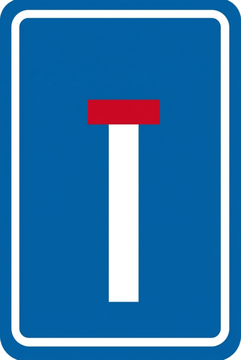 Dead end
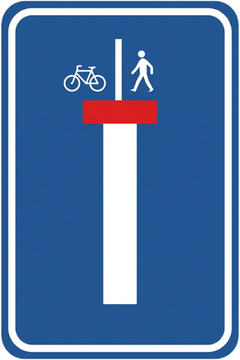 Dead end, except cyclists and pedestrians
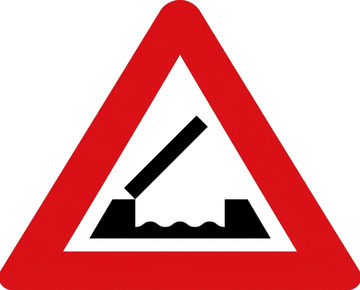 Opening or swing bridge ahead
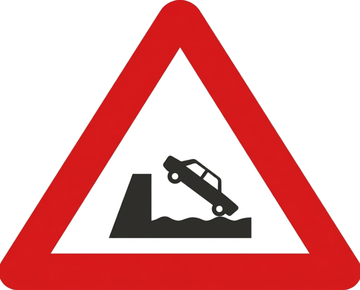 Road ends at a quay or riverbank
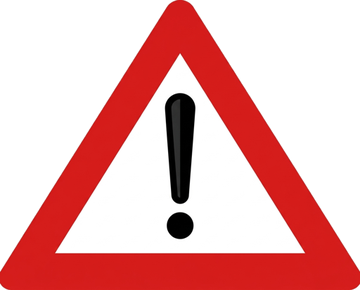 Other danger, plate says which
Test yourself
Pick a level. Questions you have not seen or got wrong come first.